Assembling a 4×8 grow tent demands precision, mirroring experiences with platforms like Temu and Facebook. This guide details each step, from unboxing to ongoing maintenance.
Successfully constructing this environment ensures optimal conditions for indoor plant cultivation, offering a controlled space for thriving growth and abundant yields.
Understanding the Benefits of a 4×8 Grow Tent
A 4×8 grow tent provides a substantial growing area, ideal for cultivators seeking to maximize yields. Its spacious dimensions accommodate numerous plants, supporting diverse gardening techniques like Sea of Green (SOG) or Screen of Green (ScrOG).
The tent’s enclosed structure offers complete control over environmental factors – light, temperature, and humidity – crucial for optimal plant development. High-reflective mylar interiors enhance light distribution, maximizing photosynthetic efficiency. Furthermore, these tents minimize odors and contain potential messes, making indoor gardening discreet and clean.
Investing in a 4×8 setup translates to increased harvest potential and a more refined growing experience.
Tools Required for Assembly
Assembling a 4×8 grow tent is generally straightforward, but having the right tools streamlines the process. A rubber mallet proves invaluable for securely connecting frame poles without causing damage. A Phillips head screwdriver is essential for any screws included with accessories like shelves or hanging supports.
Measuring tape aids in precise placement of ventilation and lighting. Utility knife or scissors are useful for opening packaging and trimming ducting. Gloves protect hands during handling, and a level ensures a stable tent structure.
These simple tools will ensure a smooth and efficient setup.
Unboxing and Inventory
Carefully unbox your 4×8 grow tent and meticulously check all package contents against the included parts list. Verify all components are present before beginning assembly!
Checking the Package Contents
Upon opening the package, confirm the presence of all listed components. This includes the tent fabric, corner connectors, and poles for the frame. Ensure you have the correct quantity of each part, referencing the assembly instructions manual.
Also verify the inclusion of accessories like ventilation flaps, filters, and potentially shelves or hanging supports. Missing parts can halt progress, so a thorough inventory is crucial before starting the 4×8 grow tent setup. Document any discrepancies immediately.
Identifying the Frame Components
The 4×8 grow tent frame typically consists of several key parts. Locate the corner connectors – these are crucial for joining the poles. Identify the vertical poles, usually longer, and the horizontal poles forming the base and top sections.
Distinguish between different pole types, as some may be specifically designed for certain frame sections. Refer to the manual’s diagrams for visual clarification. Correct identification prevents assembly errors and ensures a stable, robust structure for your indoor garden.
Identifying the Fabric and Accessories
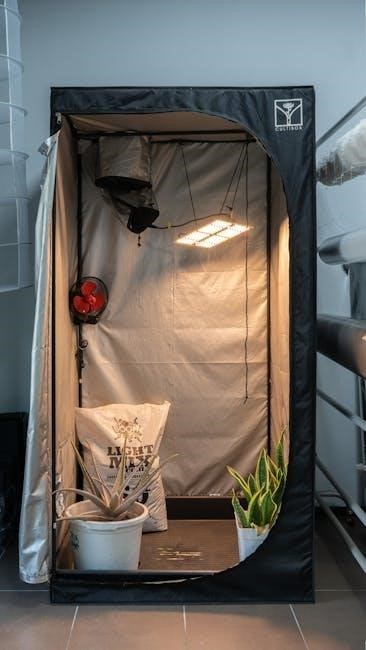
Unpack the grow tent fabric, noting the zippered door and any ventilation ports or observation windows. Check for reflective mylar lining, essential for light distribution. Locate accessories like hanging supports, shelves, or floor trays, if included.
Verify the presence of straps or buckles for securing the fabric to the frame. Confirm you have all necessary accessories listed in the manual. Proper identification streamlines the assembly process and ensures a fully functional grow space.
Frame Assembly ౼ Step-by-Step
Begin by connecting corner connectors, then assemble the base frame using provided poles (A & B). Attach vertical poles, and finally, construct the top frame for stability.
Connecting the Corner Connectors
Start by carefully examining the corner connectors; these are crucial for the tent’s structural integrity. Insert the frame poles firmly into each connector, ensuring a secure and snug fit. Pay close attention to the orientation of the connectors, as incorrect placement can lead to instability.
Typically, you’ll use a combination of poles (labeled A and B) to create the initial corners. Apply gentle pressure while inserting the poles, avoiding excessive force that could damage the connectors. Double-check each connection to confirm it’s locked in place before proceeding to the next corner.
A properly connected corner provides a solid foundation for the entire frame, so take your time and ensure accuracy during this step.
Assembling the Base Frame
With the corner connectors linked, begin constructing the base frame. Utilize the longer poles (often designated as ‘A’) to connect the corners, forming the rectangular foundation of the 4×8 tent. Ensure the frame lies flat on the floor during assembly for optimal stability.
Securely insert the poles into the corner connectors, verifying each connection is tight and level. Employ a gentle but firm pressure to avoid bending or damaging the frame components. This base provides the primary support, so precision is key.
Once assembled, inspect the base for squareness and rigidity before moving to the next stage.
Attaching the Vertical Poles
Now, attach the vertical poles to the assembled base frame. These poles, typically shorter than those used for the base, insert directly into the corner connectors already secured to the base. Ensure each pole is firmly seated within its connector, providing upward support for the tent structure.
Maintain even pressure during insertion to prevent bending or misalignment. Confirm all vertical poles are securely in place before proceeding, as they are crucial for the tent’s overall stability. This step establishes the height and shape of the grow space.
Double-check each connection for a snug fit.
Constructing the Top Frame
To construct the top frame, connect the remaining poles using the corner connectors, mirroring the base frame assembly. This creates a rectangular structure that will cap the vertical poles. Carefully align the poles and connectors, ensuring a snug and secure fit at each joint.
Once the top frame is assembled, gently lower it onto the vertical poles. Each corner should align perfectly, allowing the top frame to rest securely on the upright supports. Confirm all connections are stable before proceeding to the next step.
This completes the tent’s skeletal structure.
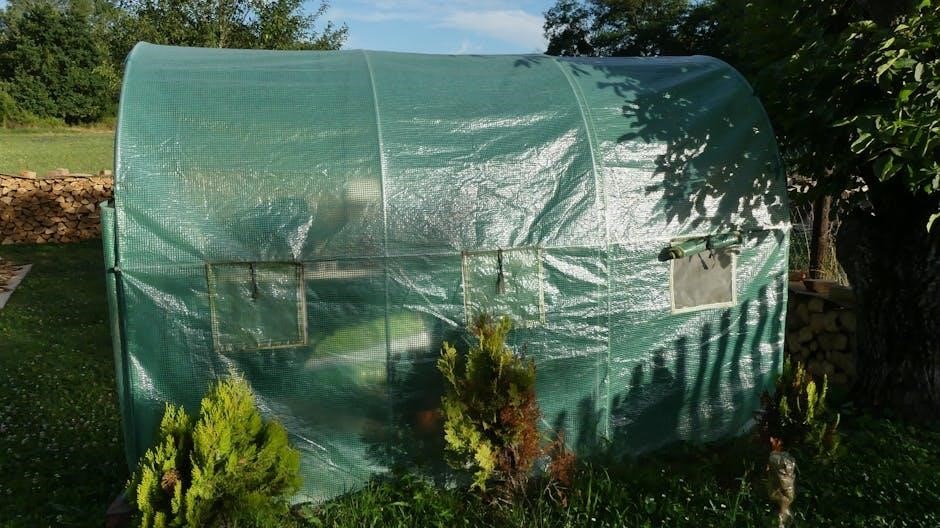
Attaching the Grow Tent Fabric
Secure the fabric to the assembled frame, carefully draping it over the structure. Ensure proper alignment, then attach using the provided zippers and fasteners for a sealed grow space.
Securing the Fabric to the Frame
Begin by carefully draping the reflective fabric over the fully assembled frame, ensuring even coverage on all sides. Most 4×8 grow tents utilize zipper attachments and corner fasteners for a secure fit. Start with the corners, aligning the fabric’s designated points with the frame’s connectors.
Next, work your way around the perimeter, attaching the fabric using the provided clips or Velcro straps. Pay close attention to tension, avoiding excessive stretching or sagging. A snug fit maximizes reflectivity and minimizes light leaks, crucial for optimal plant growth. Double-check all connections for stability before proceeding.
Installing the Zippered Door
Locate the zippered door panel and carefully align it with the designated opening in the grow tent fabric. Most tents feature a frame opening specifically designed for the door. Begin by attaching the door’s top edge, utilizing the provided Velcro strips or zipper connectors.
Then, secure the sides, ensuring a smooth and even fit. Test the zipper’s functionality throughout the installation process, verifying it opens and closes without resistance. A properly installed door seals the tent, maintaining consistent temperature and humidity levels, vital for plant health.
Attaching Side Panels and Reflective Material
Once the frame is fully assembled and the main fabric is secured, attach the side panels. These panels often connect via zippers or Velcro, expanding the tent’s growing space. Ensure a snug fit to minimize light leaks and maintain a controlled environment.
Next, confirm the reflective material is correctly positioned, maximizing light distribution to your plants. Inspect for any wrinkles or gaps, as these can reduce reflectivity. A well-sealed and reflective interior is crucial for optimal plant growth and yield.

Ventilation System Installation
Install ventilation flaps and ports, then set up intake and exhaust fans. Connect ducting and filters for optimal airflow, crucial for temperature and humidity control.
Installing Ventilation Flaps and Ports
Proper ventilation is paramount within a 4×8 grow tent, necessitating careful installation of flaps and ports. Locate the designated openings on your tent’s fabric, typically found near the top for exhaust and lower for intake.
Securely attach the ventilation flaps, ensuring a tight seal to prevent light leaks and maintain environmental control. These ports will accommodate ducting connecting to your fans and filters. Double-check that all connections are snug and won’t compromise airflow.
Consider the size of your ventilation equipment when selecting port diameters, optimizing efficiency and minimizing noise.
Setting Up Air Intake and Exhaust Fans
Strategic fan placement is crucial for effective air circulation within your 4×8 grow tent. Mount the exhaust fan high on the tent, drawing out warm, stale air. Position the intake fan lower down, bringing in fresh, cooler air.
Ensure fans are appropriately sized for the tent’s volume, calculating CFM (cubic feet per minute) requirements. Connect fans to the installed ventilation ports using ducting, securing connections with clamps.
Consider using a speed controller for adjustable airflow, optimizing conditions for different growth stages.
Connecting Ducting and Filters
Securely attach ducting to both the intake and exhaust fans, ensuring a tight seal to prevent air leaks. Use duct clamps to reinforce connections, minimizing airflow restriction. Integrate carbon filters to the exhaust ducting to eliminate odors and purify expelled air.
Proper filter placement is vital; position it before any bends in the ducting for optimal efficiency. Regularly replace filters based on usage to maintain air quality.
Inspect ducting for tears or damage, repairing or replacing as needed.
Lighting Setup Considerations
Choosing appropriate grow lights is crucial for plant health. Securely hang lights, adjusting height based on plant stage for optimal growth and preventing light burn.
Choosing Appropriate Grow Lights
Selecting the right grow lights for a 4×8 tent is paramount. Consider light spectrum, intensity, and efficiency. LED grow lights are popular due to their energy savings and reduced heat output, crucial in enclosed spaces.
HID (High-Intensity Discharge) lights, like HPS (High-Pressure Sodium) and MH (Metal Halide), offer high light output but generate more heat, requiring robust ventilation. Determine wattage based on plant needs – vegetative growth favors blue spectrum, while flowering benefits from red.
Ensure the light’s coverage area matches the tent’s dimensions for even distribution.
Hanging Lights Securely
Prioritize safety when hanging grow lights within your 4×8 tent. Utilize the tent’s designated hanging points, often reinforced corners, and employ robust ratchet straps or chain hangers rated for the light’s weight.
Never exceed the weight capacity of the tent frame. Double-check all connections before powering on the lights. Consider using safety cables as a backup to prevent accidental falls;
Maintain adequate distance between the lights and plants to avoid burning or stressing them, adjusting height as plants grow.
Light Height Adjustment
Adjusting light height is crucial for optimal plant growth within your 4×8 grow tent. Seedlings and clones require lights further away to prevent burning, while mature plants benefit from closer proximity for increased intensity.
Monitor plant response closely; signs of stress like bleaching or stretching indicate incorrect height. Utilize the tent’s adjustable hanging system to fine-tune light position.
Regular adjustments throughout the growth cycle ensure plants receive the appropriate light spectrum and intensity for each stage.
Accessory Installation
Enhance your 4×8 grow tent with shelves, hanging supports, hydroponic systems, and monitoring equipment. These additions optimize space and control the growing environment.
Installing Shelves and Hanging Supports
Maximize vertical space within your 4×8 grow tent by strategically installing shelves and hanging supports. Shelves provide stable platforms for seedlings, clones, or smaller plants, optimizing floor space utilization. Ensure shelves are securely fastened to the tent’s frame, considering weight capacity.
Hanging supports are ideal for suspending lights, carbon filters, or larger plants. Utilize robust ratchet straps or adjustable hangers to maintain desired heights and ensure even weight distribution. Regularly inspect all supports for wear and tear, prioritizing plant and equipment safety.
Setting Up Hydroponic Systems (if applicable)
Integrating a hydroponic system into your 4×8 grow tent requires careful planning. Ensure the tent’s floor is waterproof or utilize a floor tray to contain potential leaks. Position the reservoir and pump securely, considering accessibility for maintenance and nutrient changes.
Run tubing and wiring neatly, avoiding obstructions to airflow or plant growth. Implement a timer for the pump to regulate nutrient delivery cycles. Regularly monitor pH and EC levels for optimal plant health within the hydroponic environment.
Adding Monitoring Equipment (Thermometers, Hygrometers)
Precise environmental control is crucial within a 4×8 grow tent. Install a thermometer and hygrometer to continuously monitor temperature and humidity levels. Digital models with min/max recording capabilities provide valuable data for optimizing conditions.
Position sensors strategically, away from direct light or ventilation, for accurate readings. Consider automated controllers that adjust fans or humidifiers based on sensor data, maintaining a stable and ideal growing environment for your plants.
Final Checks and Safety
Ensure the frame is stable and all connections are secure. Verify zipper functionality and inspect electrical components for safety before powering up your grow tent.
Ensuring Frame Stability
Prior to fully utilizing your 4×8 grow tent, meticulously inspect the assembled frame for unwavering stability. Confirm that each corner connector is firmly seated, and all poles are securely locked into place. Gently apply pressure to various points of the frame to identify any potential weak spots or wobbling.
If instability is detected, re-examine the connections, ensuring proper alignment and tightening as needed. A stable frame is paramount for supporting the weight of lights, ventilation systems, and plants, preventing collapses and ensuring a safe growing environment.
Checking Zipper Functionality
Thoroughly test all zippers on your 4×8 grow tent, including the main door and any access ports, before commencing your grow. Ensure they glide smoothly without snagging or resistance. Repeatedly open and close each zipper to verify consistent operation throughout its entire length.
Address any sticking or difficult-to-move zippers immediately with zipper lubricant. Functional zippers are crucial for maintaining a sealed environment, controlling temperature and humidity, and providing convenient access to your plants.
Electrical Safety Precautions
Prioritize electrical safety when setting up your 4×8 grow tent. Always use a Ground Fault Circuit Interrupter (GFCI) outlet to protect against electrical shock, especially in a potentially damp environment. Avoid overloading circuits with multiple high-wattage grow lights or fans.
Inspect all electrical cords for damage before use, and never run cords under the tent floor or through water. Keep electrical components away from moisture and ensure proper ventilation to prevent overheating.
Troubleshooting Common Assembly Issues
Addressing bent parts, missing components, or fabric tears requires patience. Frame instability can often be fixed by re-tightening connectors and ensuring proper alignment.
Careful inspection and adjustments will resolve most common assembly challenges, ensuring a secure grow space.
Dealing with Bent or Missing Parts
Encountering bent poles during 4×8 grow tent assembly is not uncommon; gently attempt to reshape them, but avoid forceful bending that could cause breakage. If parts are missing, immediately contact the manufacturer or retailer for replacements – retain your purchase information.
Document any damage with photos before contacting support. Consider utilizing temporary solutions, like securing joints with zip ties, while awaiting replacement parts. Prioritize safety and avoid modifying components beyond minor adjustments.
Remember, a complete and structurally sound frame is crucial for a successful grow operation.
Addressing Fabric Tearing
Small tears in your 4×8 grow tent fabric can often be repaired with durable, waterproof tape specifically designed for tents or tarps. Ensure the area is clean and dry before applying the patch, pressing firmly for a secure bond. Larger tears may require a fabric patch and adhesive, or contacting the manufacturer for replacement panels.
Preventative measures include avoiding over-tightening the fabric during assembly and protecting it from sharp objects. Regularly inspect the tent for wear and tear, addressing minor issues promptly to prevent escalation.
Maintaining fabric integrity is vital for light and air containment.
Fixing Frame Instability
If your 4×8 grow tent frame feels unstable, first, double-check all corner connectors and pole connections, ensuring they are firmly seated. Tighten any loose screws or clamps. For added support, consider using tent stakes or guy lines, especially if the tent is in a high-traffic area.
Inspect poles for bends or damage, replacing them if necessary. Ensure the tent is on a level surface to prevent uneven stress. A stable frame is crucial for supporting lights and ventilation systems safely.
Prioritize structural integrity for a secure grow environment.
Maintenance and Care
Regular cleaning of the reflective material, inspection of frame connections, and zipper lubrication are vital for longevity. Consistent care ensures optimal performance.
Proactive maintenance prevents issues and maximizes your grow tent’s lifespan, safeguarding your indoor garden’s success.
Cleaning the Interior Reflective Material
Maintaining the reflectivity of your 4×8 grow tent’s interior is crucial for maximizing light distribution to your plants. Dust and debris accumulate over time, diminishing reflective capacity. Use a gentle, non-abrasive cleaner and a soft cloth to wipe down the mylar or reflective material.
Avoid harsh chemicals or scouring pads, as these can damage the surface; Regular cleaning – ideally every few grows – will ensure optimal light reflection, promoting healthy plant growth and maximizing yields. Carefully inspect for any tears or damage during cleaning and address them promptly to prevent further issues.
Inspecting Frame Connections
Regularly check all frame connections within your 4×8 grow tent to ensure stability and prevent collapses. Focus on corner connectors and pole junctions, verifying that all pieces remain securely fastened. Tighten any loose screws or clamps, and replace any damaged connectors immediately.
A stable frame is essential for supporting the tent fabric, lights, and ventilation systems. Consistent inspections minimize the risk of accidents and maintain a safe growing environment. Address any wobbling or instability promptly to avoid potential issues during plant growth.
Zipper Lubrication
Maintain smooth zipper operation on your 4×8 grow tent by applying a silicone-based lubricant periodically. Avoid using oil-based products, as they can attract dust and debris, hindering functionality. Apply the lubricant sparingly along the zipper teeth, then gently move the zipper back and forth to distribute it evenly.
Regular lubrication prevents sticking, tearing, and ensures a tight seal, crucial for maintaining consistent temperature and humidity levels. Properly functioning zippers also minimize light leaks, optimizing your grow environment for plant health and yield.